Learn text to speech in plain English, with practical steps for clearer scripts, natural AI voices, better pacing and reliable audio downloads. Although “What Is Text to Speech” can save recording time, final quality still depends on ordinary editorial decisions. “What Is Text to Speech” is written for everyday users rather than developers, focusing on the script, voice, pronunciation, pacing, download quality, privacy and publishing choices that shape the final audio. To test the ideas in “What Is Text to Speech”, paste a short sample into TtsPlus, choose an appropriate voice, preview it and correct the smallest audible problem before scaling up.
What the term means in practice
Text to speech is easiest to understand by starting with the real task rather than the label. For a beginner, the goal is not to understand every model detail. It is to turn readable text into audio that is easy to understand and easy to revise. Treat “What Is Text to Speech” as an audio-production task rather than a one-click novelty.
People sometimes describe the same need with phrases such as “what is text to speech”. Those labels are useful for “What Is Text to Speech” only when they describe the same listening job. Define the “What Is Text to Speech” output, duration, audience, language, style, download need and repeatability requirement before choosing a workflow.
What good AI speech actually sounds like
For “What Is Text to Speech? A Complete Beginner Guide”, believable speech depends more on consistency and intelligibility than on a dramatic demo. For “What Is Text to Speech”, review clear wording, sensible pauses and controlled emphasis first; if several files must match, keep a reference clip and reuse the approved settings.
Start “What Is Text to Speech? A Complete Beginner Guide” with a representative 60–100 word script. Include an ordinary sentence, a proper name and a number, then assess clarity, pacing and revision effort in the listener’s real device and listening environment before generating a long file.
A practical test for text to speech
Use a short script that represents the real job you have in mind for text to speech. Test one voice at normal settings, listen for the specific problem you want to solve, then make one controlled change and compare.
Save the better “What Is Text to Speech? A Complete Beginner Guide” sample as a named reference after “A practical test for text to speech”. Note the exact change that improved clarity, pacing and revision effort, so later tests can return to the accepted baseline instead of losing a useful improvement.
A simple text-to-speech workflow
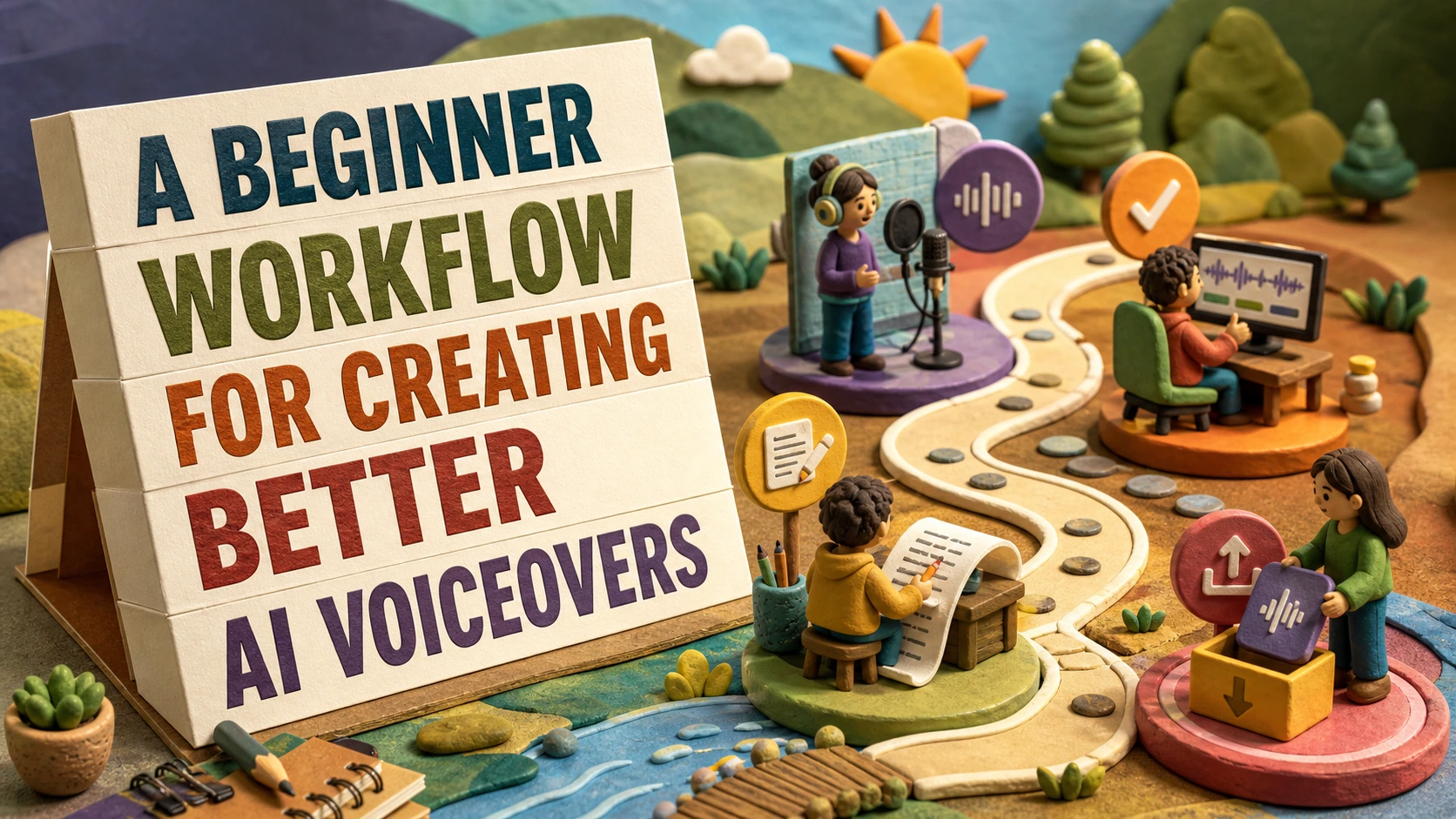
A reliable workflow for text to speech is simple: prepare a short script, choose one appropriate voice, generate a test, correct pronunciation or pacing, then produce the longer version in manageable sections. After the “What Is Text to Speech” result passes review, download the accepted audio and keep its source script beside it for future revisions.
When testing text to speech, avoid changing voice, speed, expression and punctuation at the same time. During “What Is Text to Speech”, moving several controls at once makes it impossible to identify which edit improved the result. Small controlled tests make text to speech more repeatable and save time on longer projects.
- In the “What Is Text to Speech” production pass, begin with a short representative script with a proper name, a number and one long sentence instead of generating the complete finished voiceover.
- For “What Is Text to Speech”, save a near-default baseline, then measure one revision against clarity, pacing and revision effort.
- For the final “What Is Text to Speech” version, move the test into the listener’s real device and listening environment before making the final keep-or-revise decision.
- While refining “What Is Text to Speech”, keep rejected tests until the final version is approved so the useful change remains traceable.
- In a real text to speech test, keep the approved source, voice settings and final finished voiceover together for future corrections.
How to choose a voice and settings
For “What Is Text to Speech”, choose the voice for the intended listener and purpose rather than for novelty alone. For text to speech, a voice that is easy to understand usually beats one that is merely unusual. Start “What Is Text to Speech” near a natural speaking rate, add expression only where meaning needs it, and normalize volume before mixing other audio.
In “What Is Text to Speech? A Complete Beginner Guide”, believable speech depends more on consistency and intelligibility than on a dramatic demo. During “How to choose a voice and settings”, review clear wording, sensible pauses and controlled emphasis; when several files must match, save a reference clip and reuse the approved settings.
Prepare the script before you generate
Read the “What Is Text to Speech” script silently once before synthesis. Mark the key words in “What Is Text to Speech”, verify proper names and decide where a short pause helps the listener. This preparation usually saves more editing time in “What Is Text to Speech” than repeatedly switching voices. This is especially important for text to speech because a clean source makes pronunciation and timing easier to diagnose.
For text to speech, if a difficult name, number or phrase appears repeatedly, solve it once and reuse the correction. When “What Is Text to Speech” contains a stubborn name or term, use readable spelling or a saved TtsPlus pronunciation rule instead of repeatedly rewriting the full sentence.
Common beginner mistakes
Common mistakes with text to speech include generating too much text before testing, choosing a voice only from a short demo, overusing emotional cues, ignoring pronunciation errors and assuming the first export is final. Do not create a separate “What Is Text to Speech” process for every search phrase when the listener, input and required output are actually the same.
For text to speech, do not try to fix robotic speech by adding random commas everywhere or by pushing every slider to an extreme. In “What Is Text to Speech”, excessive pauses and emotion can be as distracting as flat delivery, so keep every cue tied to meaning.
Everyday uses worth trying
Text to speech can fit personal listening, creator workflows, education, narration, accessibility or business content depending on the subject. “What Is Text to Speech” is most useful when scripts change frequently, delivery must stay consistent, or recording every revision would slow the project.
When text to speech will be used in public content, review the final audio in the same way you would review a human recording. Check facts, names, tone and context. Faster production for “What Is Text to Speech” does not excuse inaccurate wording, misleading claims or weak editorial review.
Final quality, privacy and rights checks
If “What Is Text to Speech” uses an identifiable or cloned voice, obtain explicit consent that covers the intended use. A publicly available recording does not by itself authorize its use in “What Is Text to Speech”. Keep the approval record with the “What Is Text to Speech” project whenever the result will be published or monetized. These checks apply to text to speech just as they do to any other AI voice workflow.
Keep the final script, selected voice and approved settings for “What Is Text to Speech? A Complete Beginner Guide” together with the exported audio. That record makes corrections faster and lets the “Final quality, privacy and rights checks” decision be reproduced later without guessing how the accepted sound was created.
Quick takeaways
- Before producing “What Is Text to Speech? A Complete Beginner Guide” at full length, test a short representative script with a proper name, a number and one long sentence.
- Before approving the “What Is Text to Speech” result, compare revisions with identical source text and score the result for clarity, pacing and revision effort.
- When checking “What Is Text to Speech” on the destination device, separate script, pronunciation and delivery problems before adjusting several controls together.
- For “What Is Text to Speech”, keep the approved settings and a reference clip with the completed voiceover.
- Within the “What Is Text to Speech” workflow, review privacy, permissions and destination rules before sharing the finished voiceover.
Common questions
What should you test first for text to speech?
Use a representative 60–100 word script and keep the source text unchanged for the first comparison. Listen for clarity, pacing and revision effort, correct one clearly identified problem, and save the accepted settings before producing the full version described in “What Is Text to Speech”.
What equipment do you need for text to speech?
A modern browser, a device and a way to listen are enough for most text-to-speech work. Headphones can reveal small problems, but test the final result using the listener’s real device and listening environment; a microphone is needed only when you are recording or creating an authorised voice reference. For “What Is Text to Speech”, save the accepted sample and the exact script or setting change that produced it before accepting the final result.
How do you make text to speech sound more natural?
For “What Is Text to Speech”, edit the script for spoken delivery, choose a voice for the intended audience and keep the first test near a normal speaking rate. Use punctuation and expression deliberately, then compare one change at a time using the listener’s real device and listening environment. In “What Is Text to Speech”, several measured corrections usually sound more believable than one extreme setting.
Should text to speech be generated in one long file or in sections?
For a substantial “What Is Text to Speech” project, work in sections so individual passages are easier to review, replace and keep consistent. Preserve a reference clip and the approved settings, then join the checked sections only after they have been tested for clarity, pacing and revision effort.
How do what is text to speech and text to speech differ?
Search phrases around “What Is Text to Speech” may overlap even when they emphasise different tasks, controls or outputs. Compare the real input, voice, language, download, privacy and rights requirements described in “What Is Text to Speech” rather than choosing only by the label.
Turn your text into natural speech with TtsPlus
Paste a script, choose a voice, adjust expression and download the result from the studio.